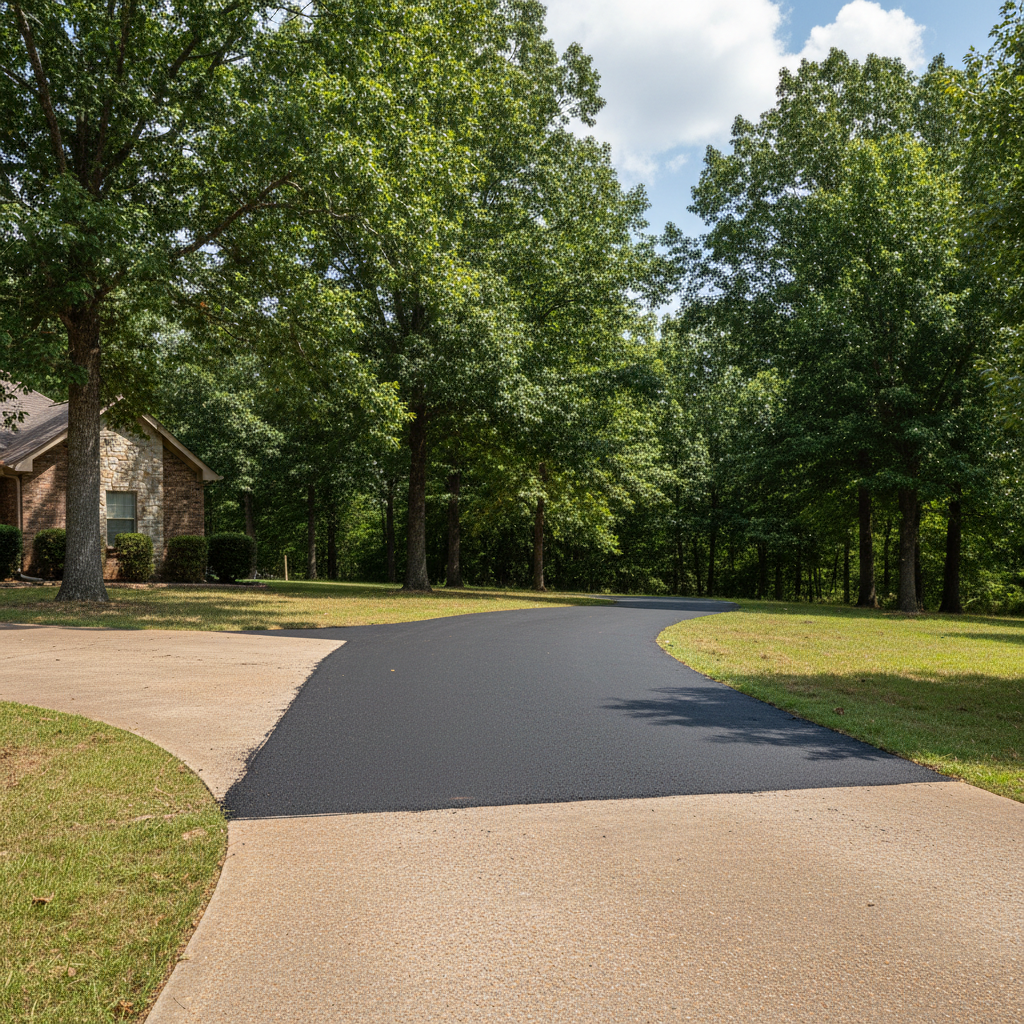
You just got that pothole fixed, or maybe a whole section of your driveway repaved. Great! But that's not the end of the story. If you want that repair to hold up, especially with our wild Arkansas weather, you've got to give it a little love. I've seen too many good repairs go bad because folks don't know how to look after them. Let's talk about how to keep your asphalt strong for years to come.
Extend the Life of Your Asphalt Repairs
The biggest thing you can do to make a repair last is to protect it from the elements and heavy use. Think of it like a fresh coat of paint on a house; you wouldn't just leave it to peel, right? For asphalt, that means a few key things.
First off, sealcoating. It's like sunscreen for your asphalt. Our sun here in Lockesburg, especially during those long, hot summers, beats down on pavement, causing it to oxidize and become brittle. Sealcoating puts a protective layer over the top, shielding it from UV rays, water penetration, and even oil and gas spills. We usually recommend sealcoating every 2-3 years, depending on traffic and how much sun it gets. It really makes a difference in preventing those tiny cracks from forming and turning into bigger headaches.
Drainage is another huge one. Water is asphalt's worst enemy. If you've got puddles sitting on your repaired areas after a good rain, that water is going to seep into any tiny crack, expand when it freezes in winter (hello, freeze-thaw cycles!), and just tear up the pavement. Make sure water is flowing off your asphalt and into proper drainage. Sometimes, a simple fix like clearing a clogged drain or adding a small swale can save you big money down the road.
Also, watch out for heavy loads. If you've got a commercial lot, make sure trucks aren't constantly parking or turning sharply on newly repaired areas. Even on a residential driveway, try not to park heavy equipment or RVs in the exact same spot all the time, especially if it's a fresh repair. Give it time to fully cure and settle.
Regular Maintenance: Your Pavement's Best Friend
Beyond sealcoating, there's some basic stuff you should be doing regularly. It's not rocket science, just common sense.
- Keep it clean: Sweep off dirt, leaves, and debris. Organic matter can hold moisture against the asphalt, and dirt can get ground into the surface, wearing it down. Plus, a clean surface makes it easier to spot problems.
- Address spills immediately: Oil, gas, and other chemicals eat away at asphalt. If you see a spill, clean it up right away. Use an absorbent material like cat litter, sweep it up, and then scrub the area with a stiff brush and a mild detergent.
- Trim back vegetation: Tree roots and weeds can be incredibly destructive. Roots can grow under and through asphalt, causing cracks and upheavals. Weeds growing in cracks will widen them over time. Keep the edges of your asphalt clear of overgrowth.
- Check your drainage: After a heavy rain, go outside and look at your asphalt. Are there any standing puddles? Is water flowing away as it should? If not, figure out why and fix it.
Doing these little things consistently will extend the life of your asphalt repairs significantly. It's much cheaper to prevent a problem than to fix a big one.
Warning Signs You Can't Ignore
You don't need to be an asphalt expert to spot trouble. Here are some common warning signs that your pavement needs attention:
- New cracks: Any new crack, no matter how small, is a potential entry point for water. If you see a spiderweb pattern (alligator cracking), that's a sign of base failure and a more serious issue.
- Potholes forming: This one's obvious. Potholes start small, often from a crack that wasn't sealed, and then water gets in and freezes, expanding the damage. They'll only get bigger if ignored.
- Fading or dull surface: If your asphalt is looking gray instead of black, it's a sign of oxidation. That means the binders are breaking down, and the surface is becoming brittle. It's a good indicator that sealcoating is overdue.
- Standing water: We already talked about this, but it bears repeating. Puddles mean drainage issues or depressions in the pavement that need correcting.
- Uneven surfaces or depressions: If you see areas where the asphalt is sinking or bulging, it usually points to a problem with the underlying base. That's a structural issue that needs professional assessment.
- Loose aggregate: If you're seeing a lot of loose stones on the surface, especially after a car drives over it, the asphalt is deteriorating. The binder isn't holding the aggregate together anymore.
Don't wait until these problems become massive. Catching them early saves you money and hassle.
When to Call a Professional
While regular maintenance is something you can handle, some jobs are just too big or complex for a DIY approach. When you see those warning signs, especially the more serious ones like alligator cracking, significant potholes, or base issues, it's time to call in the pros.
You want someone who understands our local Lockesburg conditions. The clay soils we often deal with here, for instance, can be tricky if not properly prepared before paving. A good contractor will know how to handle that. At Horizon Asphalt Solutions, we're always happy to come out, take a look, and give you an honest assessment. We'll tell you what needs doing, what can wait, and what the best long-term solution is.
Don't hesitate to reach out if you're unsure. A quick inspection can prevent a minor issue from turning into a major, costly repair.
```