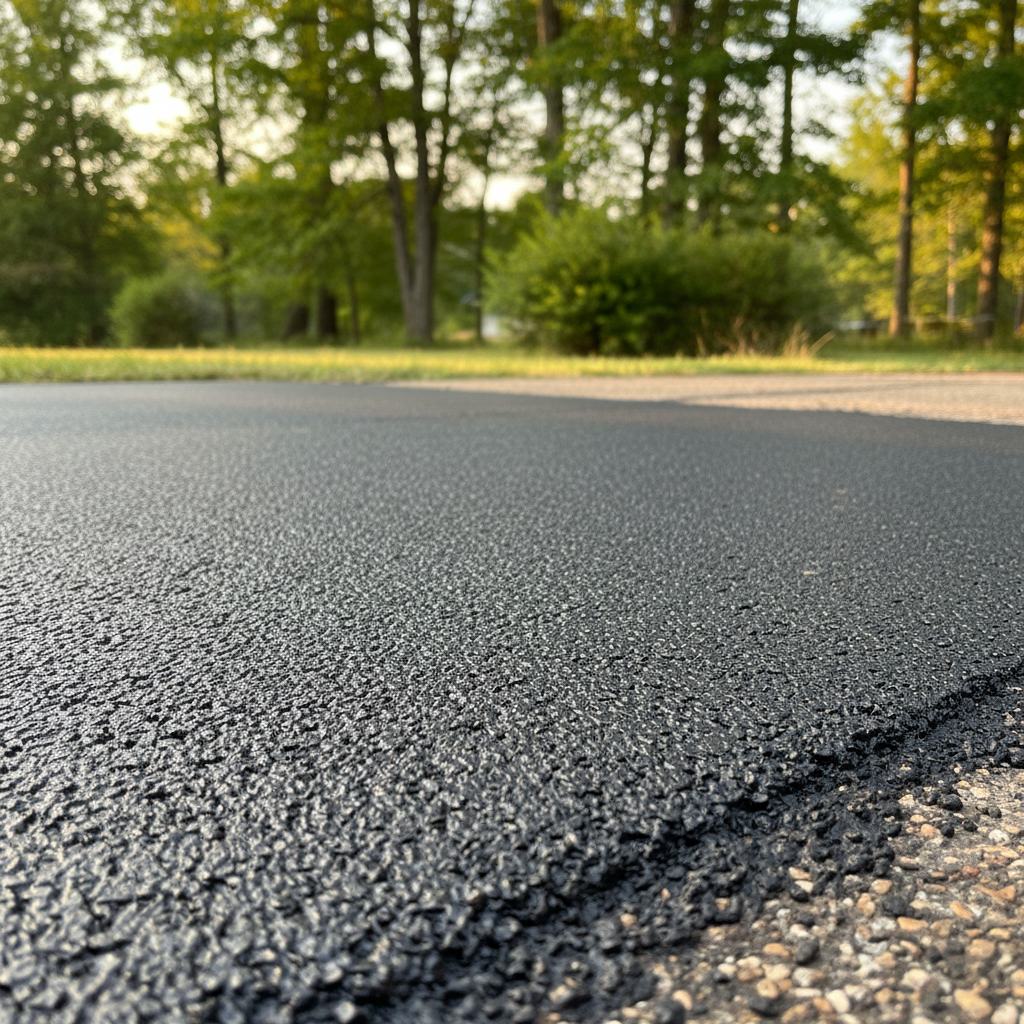
Alright, let's talk about slurry coating your asphalt driveway. I get a lot of folks around Lockesburg asking me about this, especially after a rough winter or a hot summer. It's a great way to protect your investment, make your driveway look sharp, and extend its life. But there’s a big difference between what you can tackle yourself and when it’s smarter to bring in a pro like Horizon Asphalt Solutions.
What is Slurry Coating, Anyway?
Think of slurry coating as a protective, refreshing layer for your asphalt. It’s a mix of asphalt emulsion, aggregate (usually sand), water, and some other additives. It’s thicker than just a sealcoat, which is mostly just liquid asphalt and water. That extra aggregate gives it more body, helps fill in minor cracks and voids, and provides a bit more traction and durability. It’s like giving your driveway a fresh, tough skin.
Before You Even Think About It: The Prep Work
This is where most DIY jobs go sideways, and it’s probably the most critical step. You can’t just slap slurry over a dirty, cracked driveway and expect it to last. If you're considering doing this yourself, here’s what you absolutely have to do:
- Clean, Clean, Clean: Your driveway needs to be spotless. I’m talking about sweeping off all loose debris, then power washing it until there’s no dirt, oil, or grease left. Any oil spots need to be treated with a degreaser and scrubbed. If you don’t get it clean, the slurry won’t stick, and you’ll have it peeling up in no time.
- Fix Those Cracks: Slurry coating isn’t a miracle worker for big cracks. Any cracks wider than, say, a quarter-inch need to be filled properly with a good quality crack filler. If you skip this, water will still get under your new slurry coat, freeze, expand, and ruin your hard work.
- Edge Control: Make sure the edges of your driveway are clear of grass or weeds. You want a clean line for the slurry to adhere to.
- Check the Weather: This isn't just about avoiding rain. You need consistent temperatures above 50°F (and rising) for at least 24-48 hours after application. Here in Lockesburg, our spring and fall can be tricky with those temperature swings. If it gets too cold, the slurry won't cure right.
For most homeowners, getting the surface truly clean and crack-free is a bigger job than they anticipate. If you’ve got a lot of cracks or stubborn oil stains, that’s usually where I’d say, “Hey, maybe call us.” We’ve got the industrial-grade cleaners and crack-filling equipment to get it done right.
During the Application: DIY vs. Pro
Okay, let’s say you’ve done all the prep work perfectly. Now it’s time to apply the slurry. This is where the difference between a DIY job and a professional one really shows.
DIY Application:
- Material: You can buy smaller tubs of asphalt emulsion or slurry mix at home improvement stores. Just make sure you’re getting a true slurry product, not just a thin sealcoat.
- Tools: You’ll need a good squeegee or a specialized asphalt brush.
- Technique: You typically pour a section and then spread it evenly and thinly. It’s a bit of an art to get it consistent without leaving thick puddles or thin spots. You usually need two coats, allowing proper drying time between them (which can be several hours, depending on humidity and temperature).
- Patience: This isn’t a quick job. It takes time, and you’ll be on your hands and knees or bent over for a while.
Professional Application (like Horizon Asphalt Solutions):
- Commercial-Grade Materials: We use industrial-grade slurry mixes that are designed for durability and longevity. They often have better aggregate blends and additives.
- Specialized Equipment: We use large mixers to ensure a consistent mix, and specialized squeegees and spreaders that allow for faster, more even application over large areas.
- Experience: We’ve done hundreds of driveways. We know how the material behaves, how to get an even coat, and how to handle different asphalt conditions. We can also apply it much faster, meaning less time your driveway is out of commission.
- Efficiency: For larger driveways, trying to do it yourself with small tubs is just not practical. It’s hard to maintain consistency across the whole surface.
If your driveway is small, relatively new, and in good shape with minimal cracks, you *might* be able to pull off a decent DIY job. But if it’s a larger driveway, has a lot of wear, or you just want it done right the first time without the backache, calling us is usually the smarter move. We’ll get it done quicker and with a finish that'll last longer.
After the Slurry: Curing and Care
Once the slurry is down, the work isn’t quite over. This stuff needs time to cure properly. You’ll need to keep traffic off it for at least 24-48 hours, sometimes longer if it’s humid or cooler. Don’t rush it. Driving on it too soon will leave tire marks and can even pull up the fresh coating.
After it’s fully cured, your driveway will look fantastic – a deep, rich black. To keep it looking good and performing its best, here are a few tips:
- Keep it Clean: Sweep off leaves and debris regularly.
- Address Spills Quickly: Oil or gas spills can degrade the asphalt over time. Clean them up as soon as you can.
- Re-coat Periodically: Slurry coating isn’t a one-and-done deal for life. Depending on traffic, weather, and the original condition of your asphalt, you’ll want to consider re-coating every 3-5 years. That’s how you really maximize the life of your driveway.
Look, I’m all for folks tackling projects themselves when it makes sense. But with slurry coating, especially for bigger driveways or ones that have seen a lot of wear, the cost savings of DIY often get eaten up by the extra time, effort, and potential for a less-than-perfect result. If you’re in Lockesburg or the surrounding areas and you’re thinking about giving your asphalt a fresh look and protection, give Horizon Asphalt Solutions a call. We’d be happy to give you an honest assessment and a quote.